
Mastering Cruise Ship Event Logistics
- Captain

- Oct 21, 2025
- 3 min read
Planning an event on a cruise ship demands precision, creativity, and a deep understanding of maritime dynamics. The ocean is a vast stage, and every detail must align perfectly to create a seamless, unforgettable experience. I steer through the complexities of cruise event logistics with confidence, turning challenges into opportunities. This post charts the course for mastering event logistics on cruise ships, delivering high-impact branded experiences that sail beyond expectations.
Setting Sail: The Foundations of Cruise Event Logistics
Cruise event logistics is a specialized discipline. It requires balancing the unique constraints of a moving vessel with the high standards of global brands and entertainment icons. The first step is understanding the ship’s layout and capabilities. Every deck, corridor, and venue onboard has its own rhythm and restrictions.
Space management is critical. Cruise ships have limited square footage compared to land venues. I map out every inch to maximize flow and engagement.
Timing is everything. Events must sync with the ship’s itinerary, meal times, and onboard activities to avoid clashes.
Safety protocols are non-negotiable. Maritime regulations govern everything from fire safety to crowd control. I ensure compliance without sacrificing creativity.
Mastering these basics sets a steady course. It transforms a floating hotel into a dynamic event platform ready to host unforgettable moments.
Navigating Cruise Event Logistics: Charting the Course for Success
Logistics on a cruise ship is like steering through a narrow channel - precision and foresight keep the ship on course. I break down the process into manageable segments:
1. Coordination with Ship Staff
The ship’s crew is the backbone of any event. I establish clear communication channels early. This includes:
Scheduling meetings with the ship’s event manager and technical team.
Aligning on load-in and load-out times to avoid disrupting passenger activities.
Confirming access points for equipment and supplies.
2. Equipment and Technology Management
Transporting and setting up gear on a ship requires meticulous planning. I:
Use modular, lightweight equipment to ease installation.
Test all AV and lighting systems in advance to counteract the ship’s power fluctuations.
Plan for backup power sources and redundant systems.
3. Guest Experience Design
The sea offers a unique backdrop. I craft experiences that leverage this:
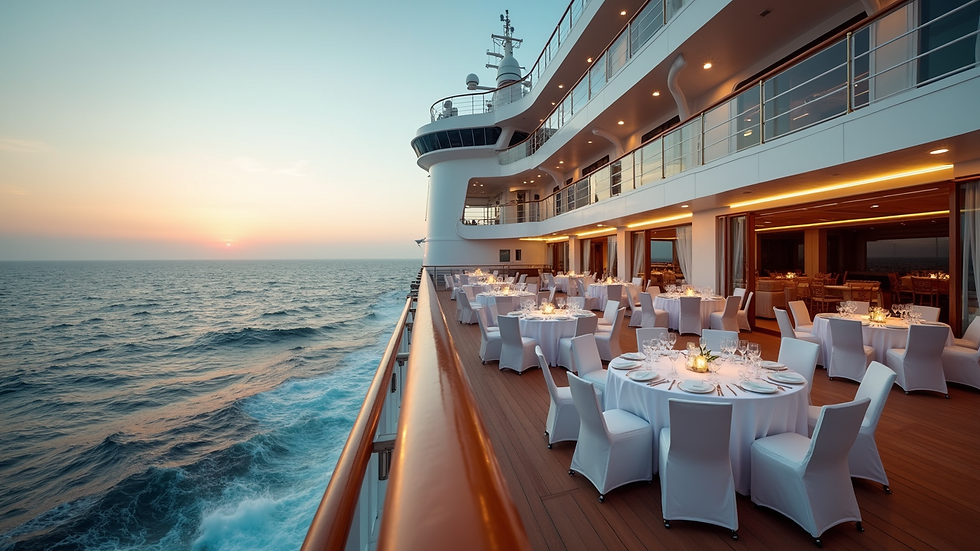
Outdoor venues with ocean views become immersive stages.
Interactive zones use nautical themes to engage attendees.
Timing events to coincide with sunsets or starry nights enhances ambiance.
4. Contingency Planning
The ocean is unpredictable. I prepare for:
Weather changes that may force venue shifts.
Technical glitches with rapid response teams.
Health and safety emergencies with clear evacuation plans.
Every detail is a knot tied tight to keep the event shipshape.
The Power of Partnership: Leveraging Cruise Ship Event Production
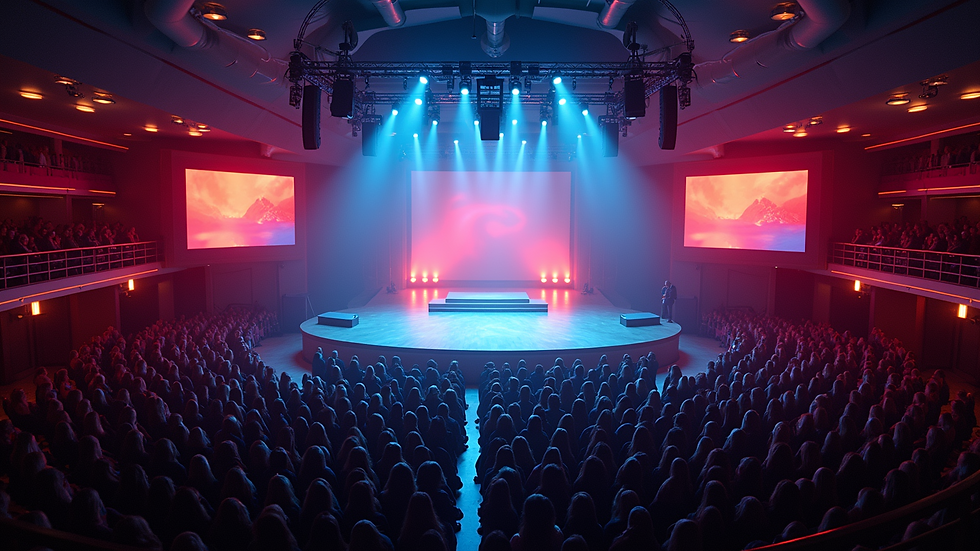
Success on the high seas demands expert collaboration. I rely on trusted partners who specialize in Cruise Ship Event Production. These experts bring:
Deep knowledge of maritime event challenges.
Custom solutions tailored to ship environments.
Cutting-edge technology designed for mobile venues.
Together, we transform vessels into controlled marketing environments. This partnership ensures every event is a flagship experience, delivering brand impact that resonates long after the voyage ends.
Anchoring Brand Identity in Every Detail
A cruise event is a floating billboard. Every element must echo the brand’s voice and vision. I focus on:
Visual branding: Custom signage, lighting, and décor that reflect brand colors and themes.
Interactive activations: Branded photo booths, product demos, and immersive experiences that invite participation.
Merchandising: Exclusive giveaways and on-site sales that reinforce brand loyalty.
The goal is to create a cohesive narrative that passengers carry with them, turning fleeting moments into lasting impressions.
Steering Through Challenges: Real-World Solutions
No voyage is without storms. I tackle common hurdles head-on:
Limited storage space: I optimize packing and use just-in-time delivery to minimize clutter.
Power constraints: I design energy-efficient setups and coordinate with ship engineers for peak performance.
Passenger flow: I map crowd movement to prevent bottlenecks and ensure smooth transitions between event zones.
Each challenge is a wave to ride, not a barrier to progress.
Setting the Course for Future Voyages
Mastering cruise event logistics is an ongoing journey. I continuously refine strategies by:
Gathering feedback from clients and ship staff.
Monitoring emerging technologies and maritime regulations.
Innovating with new formats and interactive elements.
The ocean is vast, and the possibilities are endless. With every event, I raise the sails higher, steering toward new horizons of creativity and impact.
Mastering cruise event logistics means commanding the seas of complexity with skill and vision. It means turning every voyage into a high-impact branded experience that captivates and inspires. The ship is ready. The stage is set. Let’s navigate success together.


Comments